GM VATS, PassKey & PassLock Anti-Theft Explained (Aledo TX Locksmith)
How GM VATS, PassKey, PassKey III, and PassLock anti-theft systems work — and how an Aledo TX mobile locksmith programs keys and clears no-start faults.
GM VATS, PassKey & PassLock Anti-Theft Explained (Aledo TX Locksmith)
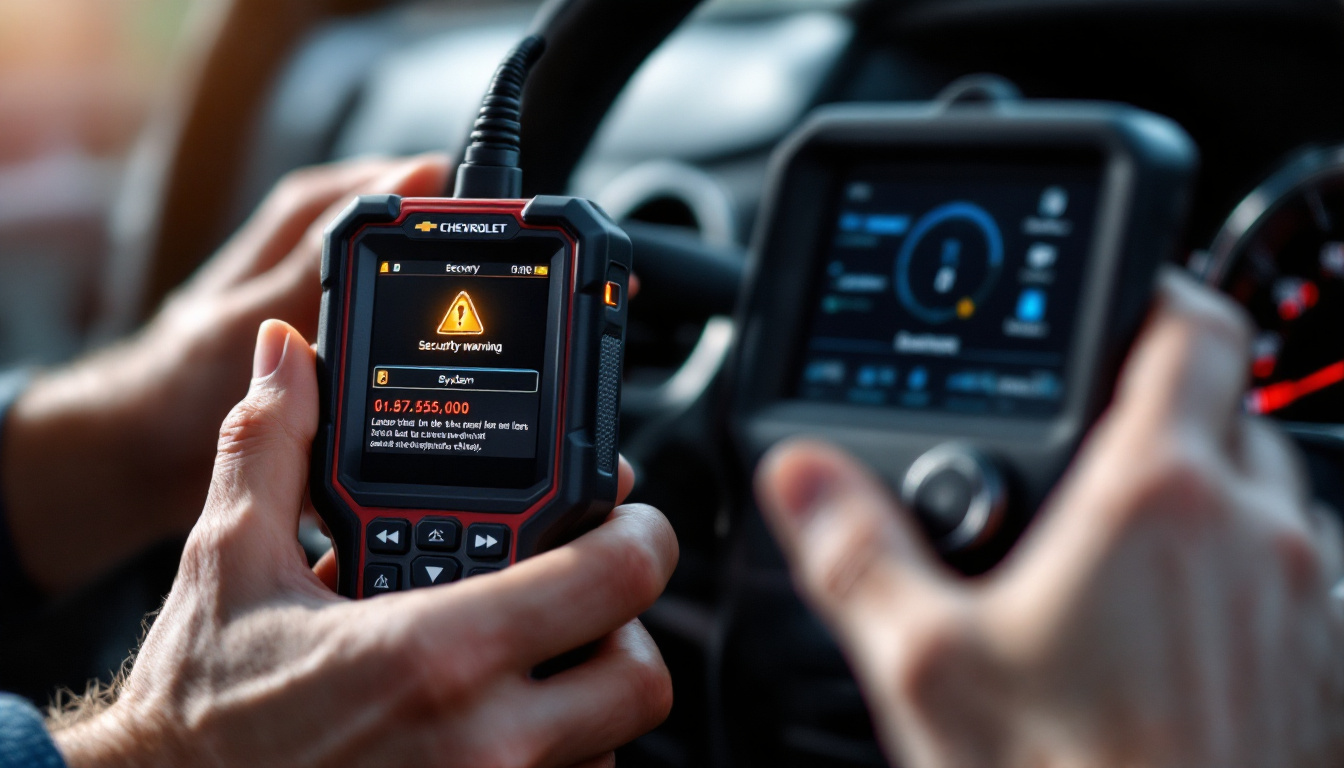
If you drive a Chevrolet, GMC, Cadillac, or Buick and you have ever seen the security light flash while the engine refuses to crank, you have met one of GM's anti-theft systems face to face. GM has used several very different designs over the years — VATS, PassKey, PassKey III, and PassLock — and each one fails and gets serviced differently. Understanding which system your vehicle uses is the difference between a quick fix and a week of guessing. If your GM is stuck right now, call or text (817) 634-5045 and Aledo Locksmith will diagnose the system on-site anywhere in Parker County.
This is the deep-dive our Aledo customers keep asking for: what each GM security system actually does, why a "bad key" and a "bad system" look identical from the driver's seat, and how a mobile locksmith programs keys and clears no-start complaints without a tow to the dealership.
Quick Answer: What Are GM's Anti-Theft Systems?
GM has used four main passenger-vehicle immobilizer approaches. VATS relied on a resistor pellet embedded in the key blade. PassKey and PassKey II refined that resistor idea. PassKey III moved to a true transponder chip read by an antenna at the ignition. PassLock took a different route entirely, sensing a coded signal from the lock cylinder rather than reading the key. Newer GM vehicles use transponder or proximity keys managed by the body control module. Each system stores which keys or cylinders are trusted, and each has to be satisfied before the engine will start.
The practical takeaway: on a GM, the key is only part of the security handshake. The system behind it — and sometimes the lock cylinder itself — is just as likely to be the reason your vehicle won't start.
GM Anti-Theft Service Pricing Around Aledo
Because these jobs range from a simple key cut to a full system diagnosis, prices vary widely. Typical local ranges as of July 2026:
| GM Security Job | Typical Price Range |
|---|---|
| VATS / PassKey resistor key | $90–$180 |
| PassKey III transponder key + program | $130–$260 |
| PassLock diagnosis & relearn | $120–$300 |
| Transponder / flip key program (newer) | $150–$320 |
| Proximity fob program (push-button) | $250–$480 |
| All keys lost (any GM system) | Quote required |
Important: These are ranges, not quotes. GM mixed systems across model years and trims, so the same vehicle year can carry different security hardware. Send your VIN and we will tell you which system you have before we dispatch.
The Four GM Security Systems, One at a Time
VATS and PassKey — the resistor era
The earliest GM anti-theft, Vehicle Anti-Theft System, put a small resistor pellet in the key blade. The ignition measures that resistor's value, and if it matches the stored code, the vehicle starts. PassKey and PassKey II carried the same idea forward with refinements. These systems are simple, durable, and cheap to service — but the resistor contacts and wiring can wear out, producing intermittent no-starts that mimic a failing key.
PassKey III — the transponder era
PassKey III, sometimes written PK3, dropped the resistor for a true transponder chip inside the key. An antenna ring around the ignition energizes the chip, reads its code, and compares it to the vehicle's stored value. This is a far more secure design, and it is the system on a large share of the GM cars and trucks still on the road around Parker County. Replacement keys must be cut and then electronically programmed to the vehicle.
PassLock — the cylinder-sensing outlier
PassLock is the one that fools people. Instead of reading the key, it reads a coded magnetic signal generated inside the lock cylinder as you turn it. That means a worn or failing lock cylinder — not the key at all — can trigger a security fault and a no-start. On PassLock vehicles, replacing the key does nothing if the cylinder is the culprit. Diagnosis matters enormously here, and a relearn procedure is often part of the fix.
The body-control-module era
Newer GM vehicles manage keys and proximity fobs through the body control module, with push-button start on many trims. These require a diagnostic tool to register new keys, and all-keys-lost jobs involve accessing the security system without a trusted key present.
Why a Bad Key and a Bad System Look Identical
From the driver's seat, every GM security fault looks the same: security or immobilizer light on, engine cranks but won't fire, or won't crank at all. But the cause could be a demagnetized transponder, a worn resistor contact, a failing PassLock cylinder, or a communication fault in the module. Throwing a new key at the problem only works when the key is actually the problem — which, on GM vehicles, is often not the case.
That is exactly why we test before we sell parts. We confirm whether the system is reading the key, whether the cylinder is generating a clean signal, and whether the module is communicating at all. On more than a few Aledo calls, the fix has been a cylinder or a relearn, not a key — and the customer paid for the real repair instead of a guess.
How We Service GM Anti-Theft On-Site
Identify the exact system
The first step is always identifying which of the four systems your vehicle uses, by VIN and year. That single fact drives everything else — the key type, the tools, and whether a relearn or cylinder repair is likely.
Diagnose before replacing
We verify the system is accepting communication and pinpoint whether the fault is the key, the cylinder, or the module. This is where PassLock vehicles especially benefit from a real diagnosis rather than a parts-cannon approach.
Cut, program, and relearn
Once we know the system is healthy, we cut and program the key, pair any remote, and run the required relearn procedure. On all-keys-lost jobs, we verify ownership and obtain the vehicle security data through the industry's secure channels before programming a fresh key.
Common GM Security Complaints We See
Security light on, no crank — PassLock vehicle
Frequently a worn lock cylinder rather than a lost key. We test the cylinder signal before recommending parts.
Extended crank then start — PassKey III
Often a weakening transponder or antenna-ring issue. A fresh programmed key usually resolves it once the antenna is confirmed good.
Intermittent no-start on an older resistor key
Worn resistor contacts or a cracked key are common on VATS and PassKey vehicles. A clean, correctly-valued replacement key typically restores reliable starting.
GM Anti-Theft Service Across Parker County
Aledo Locksmith diagnoses and services VATS, PassKey, PassKey III, and PassLock systems — and modern body-control-module keys — at your home, ranch, or job site. We cover Aledo 76008, Willow Park, Annetta, Hudson Oaks, Walsh, Weatherford, and Fort Worth West, with same-day mobile service across Parker County whenever the schedule allows. Whether it is a Silverado, Tahoe, Sierra, Escalade, or an older Impala, the work happens where your vehicle sits.
Frequently Asked Questions
How do I know which GM anti-theft system my vehicle has?
It comes down to the exact make, model year, and trim. VATS and PassKey use a resistor in the key, PassKey III uses a transponder chip, and PassLock senses the lock cylinder. Give us your VIN and we will identify your system before dispatch.
Why does my Chevy security light stay on and the engine won't start?
That is the classic GM anti-theft symptom, and the cause varies by system. On PassLock vehicles it is often a worn lock cylinder; on transponder systems it can be a failing key or antenna. We diagnose the specific fault rather than assume it is the key.
Can a bad lock cylinder cause a no-start on a GM?
Yes — especially on PassLock vehicles, where the cylinder generates the security signal. A worn cylinder can trigger a security fault even with a perfect key, which is why replacing the key alone sometimes doesn't fix it.
Do you program GM PassKey III and transponder keys in Aledo?
Yes. We cut and program PassKey III and modern transponder keys on-site, run any required relearn, and pair remotes. We service GM vehicles throughout Parker County without a tow.
Can you handle a GM all-keys-lost job?
Yes. With every key gone we verify ownership, obtain vehicle security data through secure channels, and program a fresh key to your GM at your location — for resistor, transponder, PassLock, and modern body-control-module systems alike.
Is it cheaper to fix the system or replace the key?
It depends on what is actually broken. If the key is the fault, a new key is the cheap fix; if the cylinder or module is the fault, replacing the key wastes money. Our diagnosis tells you which repair you actually need before you pay for parts.
GM Won't Start in Aledo?
VATS, PassKey, PassKey III, or PassLock — Aledo Locksmith identifies your GM's security system, diagnoses the real fault, and programs keys on-site anywhere in Parker County.
Call or text (817) 634-5045 with your vehicle's year, model, and VIN for a fast, accurate quote.
This article was written by the Aledolocksmith Automotive Locksmith Team.